


For the true adventurer, there’s something irresistibly thrilling about a sport that pushes the body and mind to their absolute limits. It’s the heart-pounding rush of diving headfirst into the unknown, the feeling of defying nature, and the glory of testing your own courage. Some of the world’s most dangerous sports embody this spirit of extreme risk and reward—where triumph and disaster are often separated by a hair’s breadth.
From racing at breakneck speeds to plunging from dizzying heights, these sports demand more than just physical skill—they require guts, grit, and a willingness to embrace danger. But for those who dare to take the plunge, the rewards can be nothing short of legendary.
So, if you’ve ever wondered what it takes to participate in these high-risk activities, and whether the rewards are worth the risks, read on. These are the world’s most dangerous sports, and here’s what you need to know.
1. BASE Jumping
Risk: Death-defying altitude and speed. Reward: The ultimate adrenaline rush.
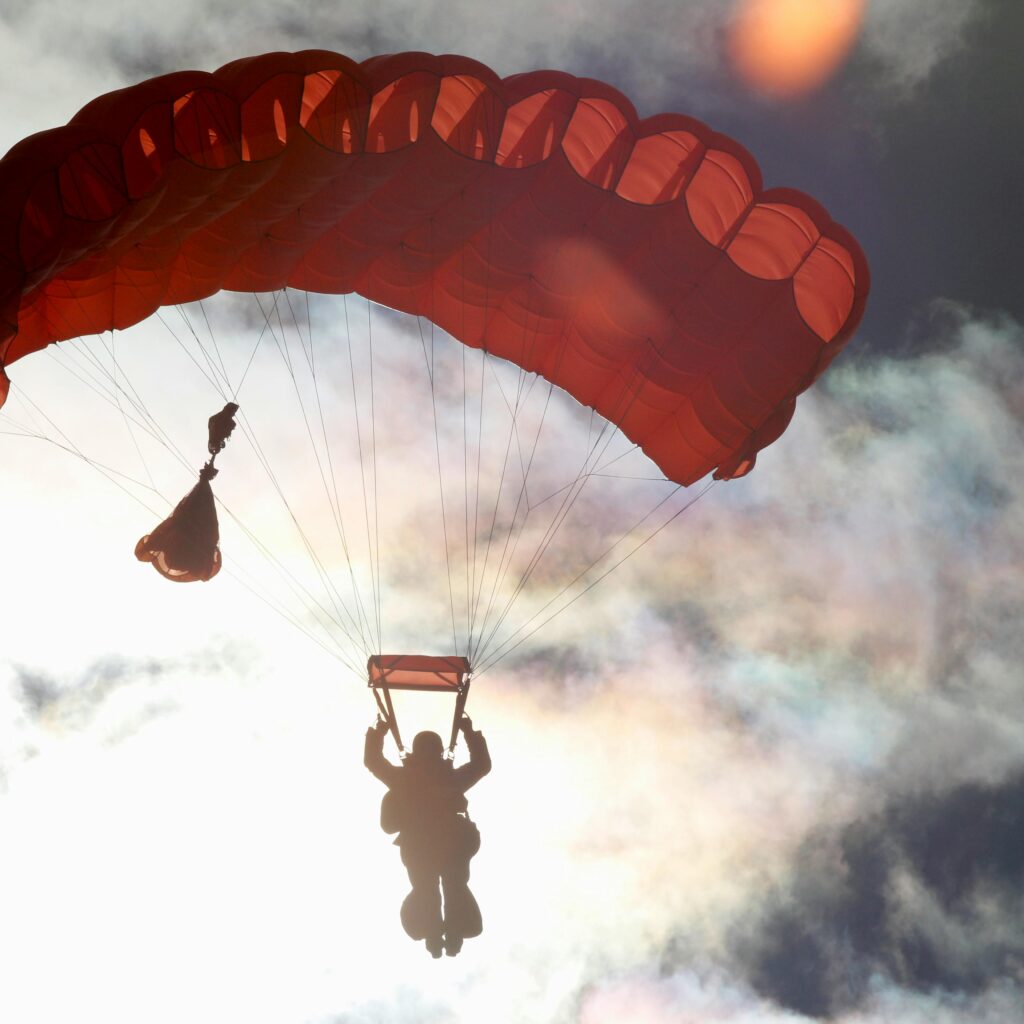
BASE jumping (Building, Antenna, Span, Earth) involves leaping from fixed objects such as cliffs, skyscrapers, and bridges, with a parachute strapped to your back. The danger is in the low-altitude jumps and the incredibly narrow margin for error. With the parachute deploying mere seconds after jumping, every move needs to be perfect. A minor mistake can lead to disaster.
Why it’s Dangerous: The risks lie in the speed, altitude, and time for the parachute to open. A high-speed descent leaves little room for mistakes, and the proximity to objects like cliffs or buildings adds an additional element of danger.
Why it’s Worth It: The sheer exhilaration of leaping off the edge of the world, combined with the incredible views and the sense of freedom, makes BASE jumping one of the most exhilarating experiences. It’s an escape from the ordinary, where you are fully in the moment, defying gravity.
2. Ice Climbing
Risk: Falling from great heights, hypothermia, and avalanches. Reward: Conquering the frozen wilderness.
pablo-hidalgo/shutterstock
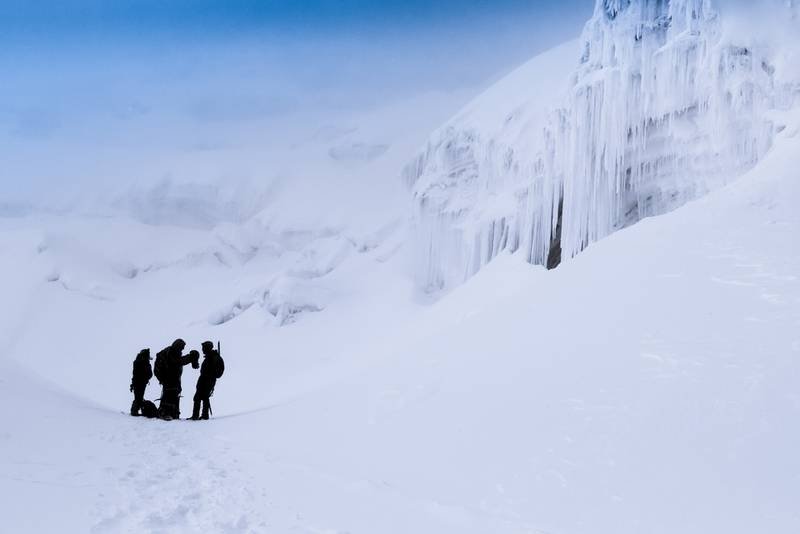
Ice climbing is a sport that involves scaling frozen waterfalls, glaciers, and ice-covered rock faces using specialized equipment like ice axes and crampons. The cold and the icy conditions make this a truly dangerous pursuit, where every step must be calculated, and every swing of the ice axe a life-or-death decision.
Why it’s Dangerous: Ice climbing presents the danger of falling from great heights onto hard, unforgiving surfaces or into icy crevasses. The risk of hypothermia is always present in extreme cold, and avalanches can strike without warning.
Why it’s Worth It: There’s a rare and beautiful reward in conquering towering ice formations, often in the most remote and breathtaking locations on Earth. Ice climbing demands peak physical strength and mental focus, offering a sense of accomplishment that few other activities can match.
3. Bull Riding
Risk: Broken bones, concussion, and serious injuries. Reward: The thrill of taming a wild beast.

adele-d/shutterstock
One of the most dangerous sports in the world, bull riding involves mounting a bucking bull and attempting to stay on for eight seconds, a feat that requires immense skill and a whole lot of courage. The bull is no tamed beast—it’s a 1,500-pound animal that’s trying its best to throw you off at every turn.
Why it’s Dangerous: The risks are painfully clear: bulls can buck, charge, and toss riders with great force, leading to broken bones, concussions, and in the worst cases, fatal injuries. Even with the best training, the unexpected can happen in the arena.
Why it’s Worth It: The reward is the ultimate test of grit and courage. The rush of staying on the bull, controlling your fear, and defying one of nature’s most powerful animals is unmatched. It’s the thrill of living on the edge and the recognition that comes from mastering the wild.
4. Cave Diving
Risk: Drowning, becoming lost in the cave system, or running out of air. Reward: Exploring uncharted underwater worlds.
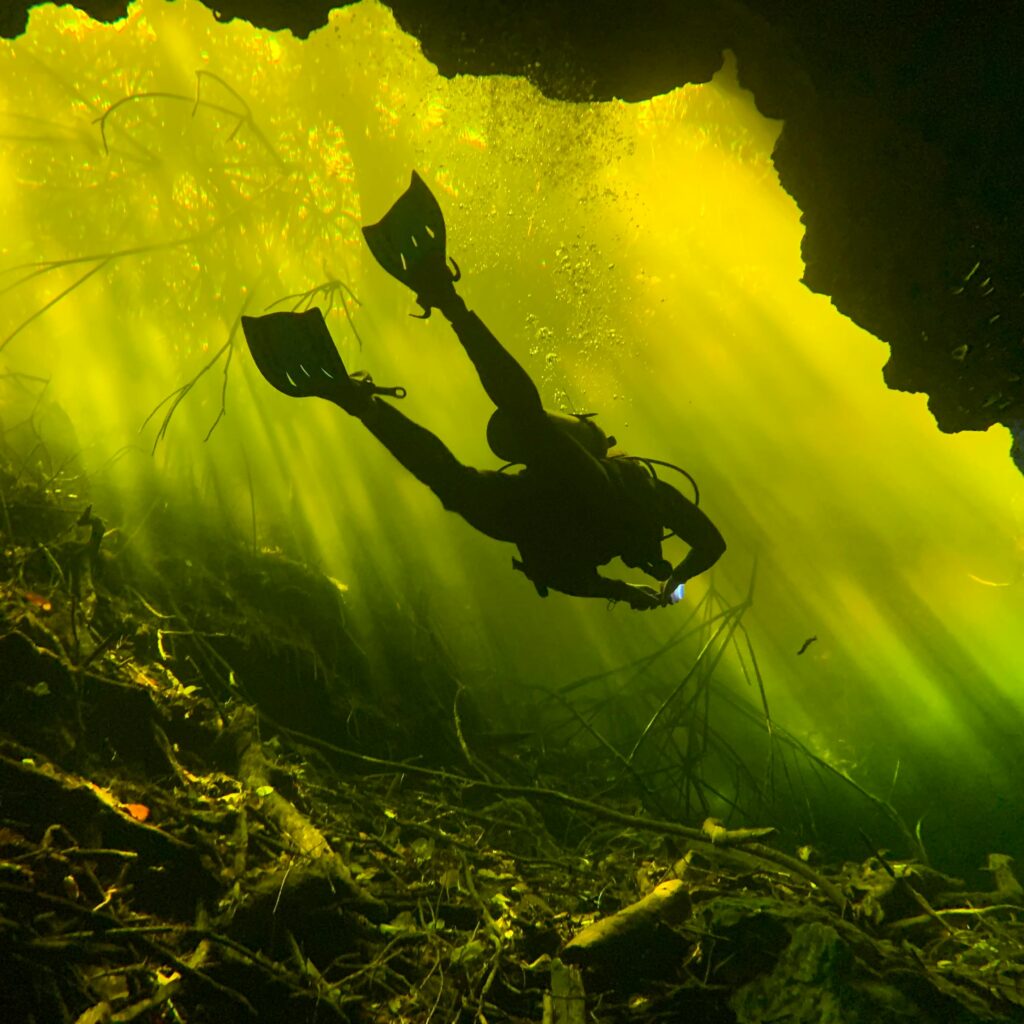
Cave diving takes scuba diving to the next level, where adventurers plunge into submerged cave systems, navigating tight passages and exploring places where few have gone before. It’s a sport that combines diving with the thrill of exploration, but it’s also fraught with danger. The narrow underwater tunnels and deep, uncharted waters pose a very real threat.
Why it’s Dangerous: Getting lost in an underwater cave is a real risk, as is running out of air or having a dive malfunction. The darkness and the narrowness of the tunnels make it easy to become disoriented, and with limited air supply and no immediate rescue, a simple mistake can become fatal.
Why it’s Worth It: The reward for cave divers is the chance to witness the unexplored beauty of the Earth’s hidden underwater systems. You’re diving into places few will ever see, unlocking mysteries of the deep, all while honing your skills in navigation and underwater survival.
5. Motocross Racing
Risk: High-speed crashes, broken bones, and spinal injuries. Reward: The thrill of racing at lightning speeds.

Motocross is a dirt-bike racing sport that pushes riders to their limits. With jumps, sharp turns, and obstacles scattered throughout the course, motocross requires extreme skill, quick reflexes, and the courage to push through pain. High speeds and unpredictable terrain make motocross one of the most dangerous motorsports.
Why it’s Dangerous: The risks include high-speed crashes, collisions, and bone-shattering impacts when landing jumps or navigating tight corners. Even the best riders face the danger of going down hard at high speeds.
Why it’s Worth It: The reward is the thrill of speed and control, the satisfaction of mastering your bike and overcoming the course. For those who love the adrenaline of racing, it’s a way to prove your mettle and push the limits of what’s possible.
6. Free Solo Climbing
Risk: Death from falls, muscle failure, or environmental hazards. Reward: Achieving the impossible without safety ropes.
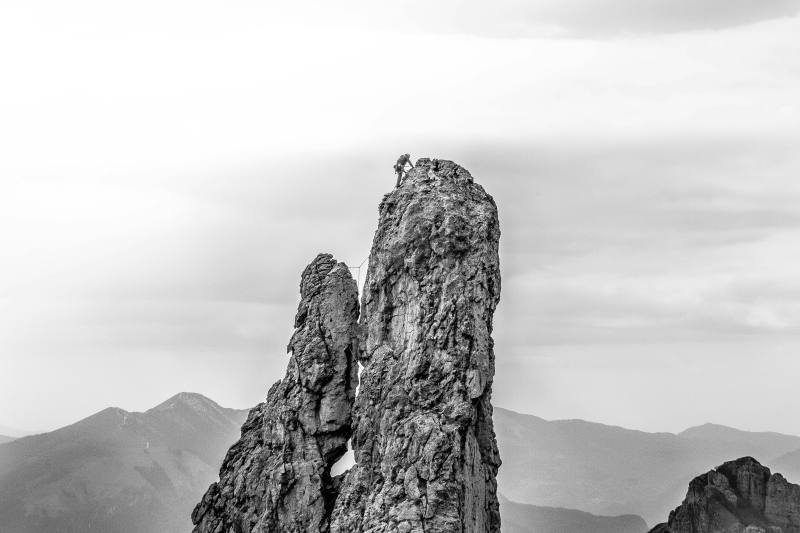
Perhaps one of the most extreme forms of rock climbing, free solo climbing involves scaling sheer rock faces without any protective gear, ropes, or harnesses. The climber’s only safety net is their own strength, focus, and skill. The risks are almost unimaginable, with a single misstep often meaning death.
Why it’s Dangerous: Free solo climbing is as dangerous as it gets. Without ropes or safety equipment, even a small mistake can result in a deadly fall. The risks of muscle failure, losing grip, or encountering bad weather make this sport one of the most high-risk activities on the planet.
Why it’s Worth It: The reward for free solo climbers is the purest form of achievement—scaling a mountain or cliff face with nothing but your own two hands. The sense of freedom and accomplishment from conquering such a dangerous ascent is unmatched. It’s the ultimate test of both physical and mental fortitude.
7. Extreme Skiing/Snowboarding
Risk: Avalanches, high-speed crashes, and broken limbs. Reward: The rush of flying down mountainsides at top speeds.
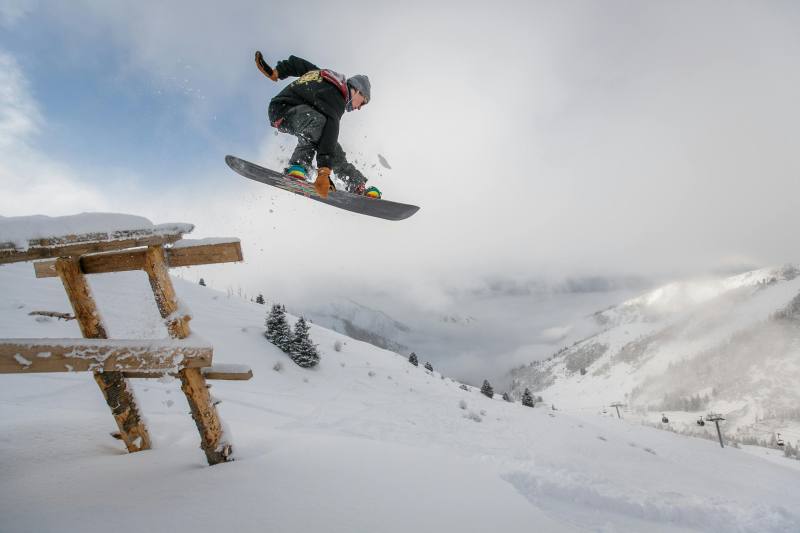
Extreme skiing and snowboarding take these winter sports beyond the slopes to places where the risks are elevated. Skiing off-piste (on ungroomed, unmarked terrain), racing downhill at breakneck speeds, or attempting daring jumps off cliffs—these activities demand skill, bravery, and a healthy respect for the dangers involved.
Why it’s Dangerous: The greatest risk comes from avalanches, but high-speed crashes, hidden obstacles, and even tree collisions can cause serious injury. Off-piste skiing or snowboarding also carries the risk of getting lost or being trapped in dangerous conditions.
Why it’s Worth It: The reward lies in the thrill of carving through fresh powder, the freedom of moving downhill at high speeds, and the satisfaction of mastering the mountain. For those who live for the rush, extreme skiing and snowboarding offer a deep connection to the natural world and the excitement of adventure.
Final Thoughts – Risk, Reward, and the Call of Adventure
These sports, with all their risks, represent the ultimate expression of courage and determination. For those who crave the thrill of adventure, they offer an unparalleled reward—a rush of adrenaline, a sense of personal achievement, and a chance to experience the world in ways most people can only dream of.
But as we’ve seen, the most dangerous sports are not for the faint of heart. They demand respect for the risks involved, preparation, and a solid understanding of one’s abilities. The key is to approach them with caution, understanding that victory is not just about winning, but about surviving, learning, and growing stronger through the experience.
So, if you’re feeling the call to the extreme, remember this: the greatest adventures are often the most dangerous—but with the right mindset and preparation, the rewards are well worth it.

