
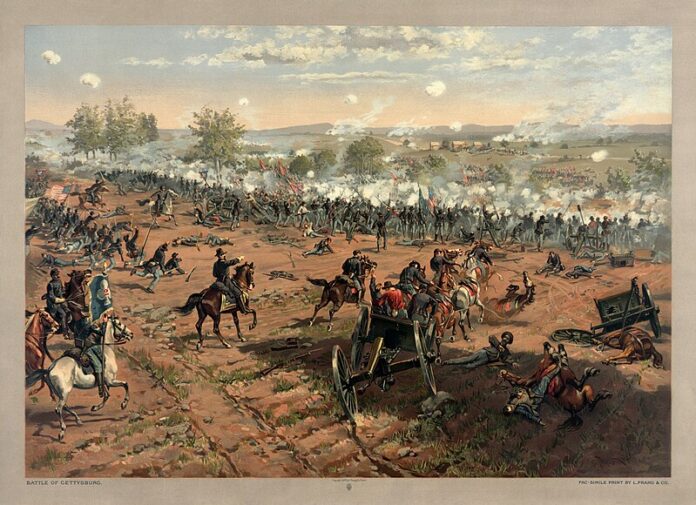

Some battles are fought on the field of war, others in the hearts and minds of men. Whether it’s the clash of armies or the contest of wits, the battles fought throughout history hold lessons for every young man, not just in terms of warfare, but in strategy, leadership, and the courage to make decisions under pressure. The greatest commanders, from Napoleon to Alexander the Great, have shown that victory is not always about brute force—it’s about timing, intelligence, and vision.
In this article, we’ll look at some of history’s most legendary battles, and explore what they can teach us about the principles of leadership, strategy, and overcoming adversity.
1. The Battle of Thermopylae (480 BC)
Lesson: The Power of Defending the Impossible
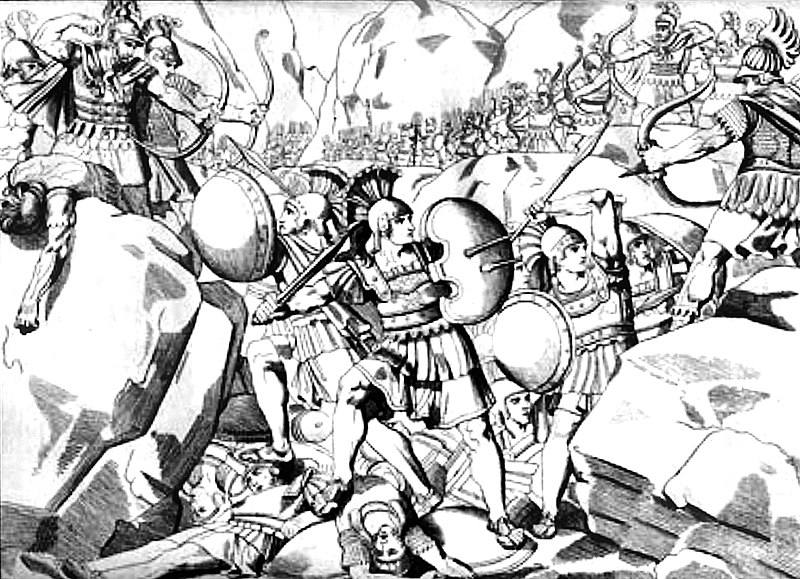
One of the most famous battles in history, the Battle of Thermopylae was a fight for survival against overwhelming odds. King Leonidas I of Sparta and his 300 warriors, along with a few thousand allies, held off the massive Persian army of Xerxes for three days in a narrow pass. Although they were eventually overwhelmed, their stand became a symbol of courage, sacrifice, and the power of holding strong against seemingly impossible odds.
What it Teaches Us: Leadership in the face of overwhelming adversity. Leonidas’ ability to inspire his troops to fight against a superior force shows that sometimes, the true battle is not against the enemy, but against fear and doubt. His stand taught that with courage and a well-planned strategy, even a small force can have a monumental impact. As a leader, your actions will inspire your team, and it’s often your determination, not your numbers, that leads to success.
2. The Battle of Hastings (1066)
Lesson: The Importance of Preparation and Timing
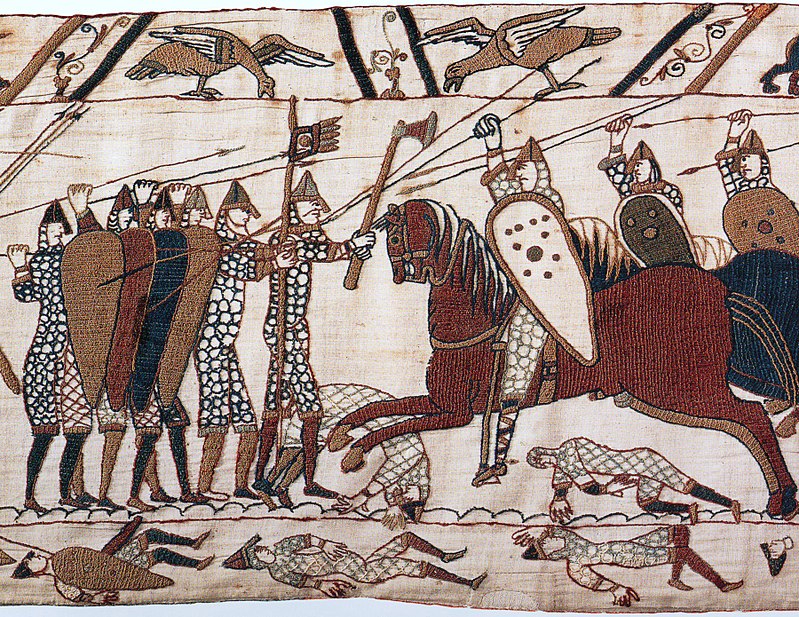
When William the Conqueror defeated King Harold II at the Battle of Hastings, it wasn’t just a victory of men—it was a victory of strategy and timing. William used deceptive tactics to create the illusion of retreat, only to turn and strike with overwhelming force. The battle was won, not only by superior strength but by meticulous planning and an understanding of the psychology of the enemy.
What it Teaches Us: Preparation and the element of surprise. William’s success at Hastings teaches the power of thorough preparation and psychological warfare. Great leaders understand that success isn’t just about brute force—it’s about preparing for all eventualities and using timing to your advantage. Sometimes, what seems like a setback can be a chance to regroup and strike back when the enemy least expects it.
3. The Battle of Waterloo (1815)
Lesson: The Consequences of Overconfidence
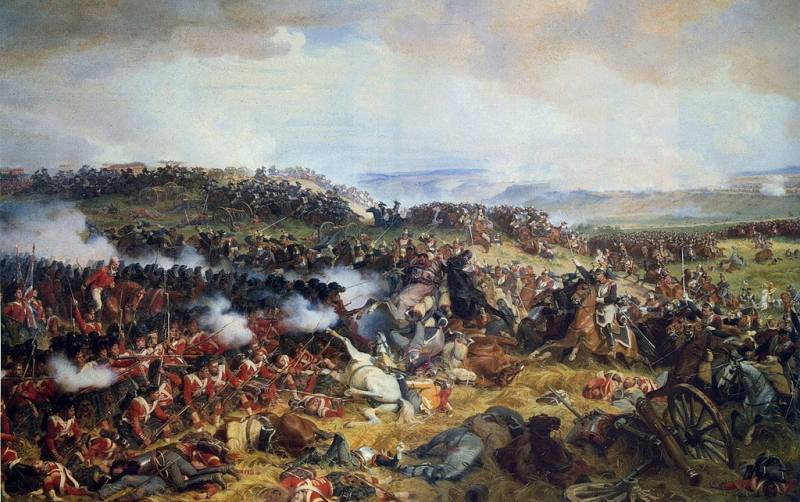
Napoleon’s Battle of Waterloo marked the end of his reign and his ambition to dominate Europe. After a series of early successes, Napoleon became overconfident and made several key mistakes. The battle was a classic example of hubris undermining strategy. Napoleon’s forces were eventually defeated by the combined armies of Britain and Prussia, leading to his final exile.
What it Teaches Us: The dangers of overconfidence. Napoleon’s downfall is a stark reminder that even the greatest leaders can fall victim to their own arrogance. As a leader, it’s essential to stay humble, reassess your strategies, and remain adaptable, especially when things seem to be going well. Confidence is important, but overconfidence can blind you to weaknesses and lead to failure.
4. The Battle of Gettysburg (1863)
Lesson: The Power of Holding Your Ground
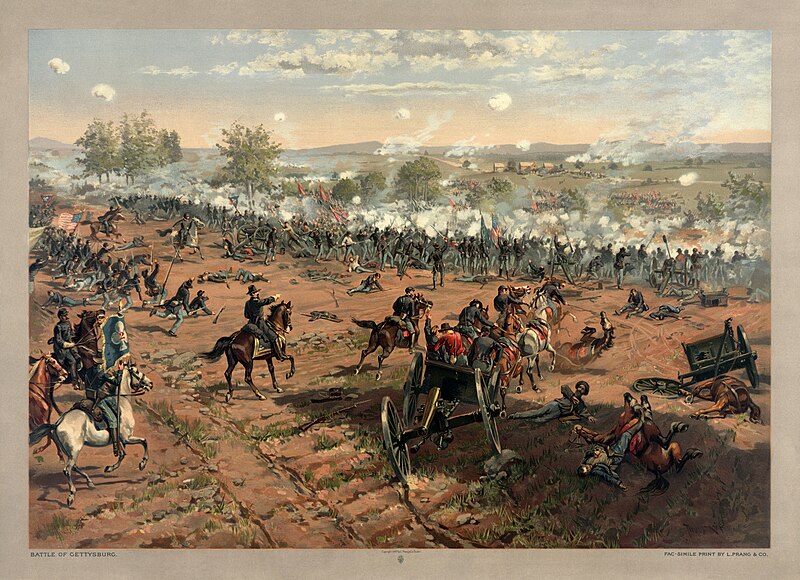
During the American Civil War, General Robert E. Lee led the Confederate Army against the Union Army at the Battle of Gettysburg. For three days, the two armies clashed in one of the most brutal engagements of the war. The turning point came when General George Meade and the Union forces held the high ground of Cemetery Ridge, turning back Lee’s final charge and forcing the Confederates to retreat.
What it Teaches Us: The importance of positioning and endurance. The Union forces held their ground at Gettysburg, and it was their ability to maintain a strong defensive position that ultimately won the battle. A great leader knows when to push forward and when to hold fast. Sometimes the key to victory is simply holding on until the right opportunity presents itself.
5. The Battle of Stalingrad (1942–1943)
Lesson: Resilience and the Will to Fight
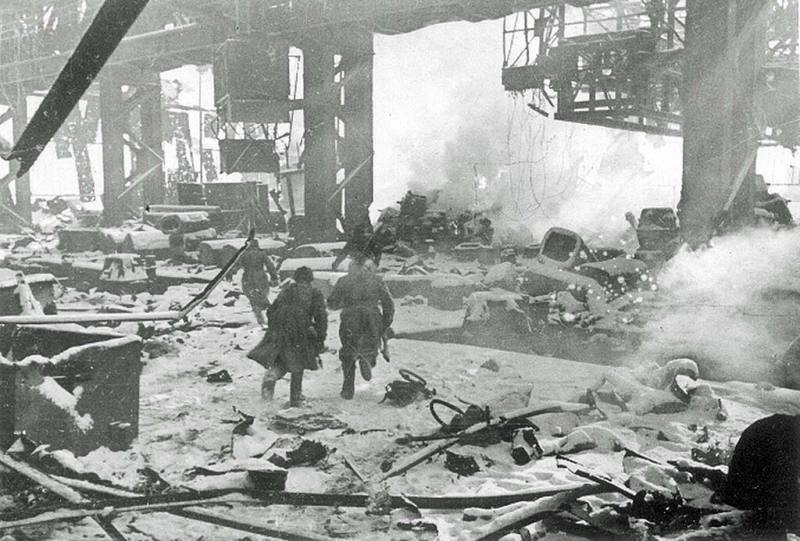
Stalingrad was one of the deadliest and most ferocious battles of World War II. The Soviet Red Army, under General Vasily Chuikov, held out against the German forces in what became a brutal war of attrition. The Soviets managed to encircle and destroy the German 6th Army, marking a turning point in the war on the Eastern Front. The battle’s brutality showed the strength of human endurance and the value of never giving up.
What it Teaches Us: Resilience and endurance. Stalingrad is a testament to the power of sheer resilience. Leadership often means guiding your team through tough times, when everything seems lost. The ability to adapt, remain calm under pressure, and push forward—even when victory seems impossible—is the hallmark of a great leader. In both war and life, it’s not always about how strong you are, but how long you can keep going.
6. The Battle of Midway (1942)
Lesson: The Importance of Intelligence and Adaptability
a-cotton-photo/shutterstock
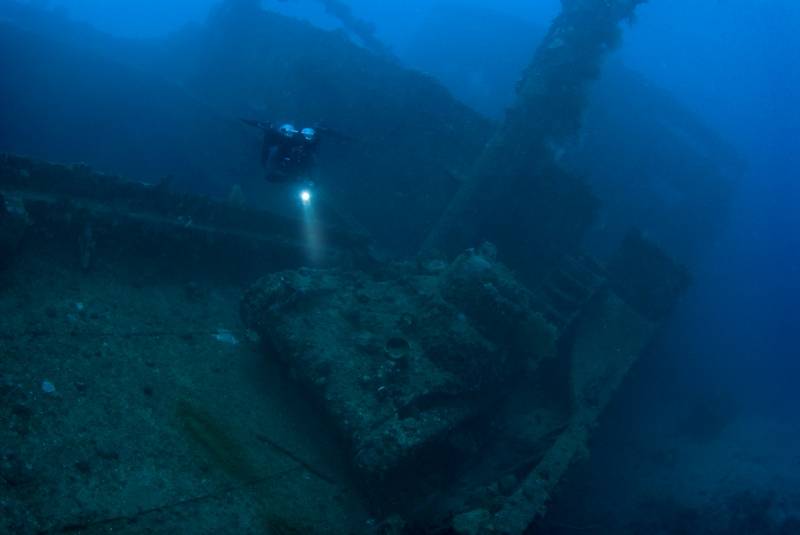
The Battle of Midway was a decisive naval battle in the Pacific Theatre of World War II, where Admiral Chester W. Nimitz led the United States Navy to a stunning victory against the Imperial Japanese Navy. The success at Midway was largely due to American intelligence—the U.S. had cracked Japanese codes and knew the enemy’s plans in advance. By using this knowledge, the Americans were able to sink four Japanese aircraft carriers, a decisive blow to the enemy fleet.
What it Teaches Us: The value of intelligence and adaptability. Midway shows that information is just as powerful as any weapon. A great leader must be able to make informed decisions based on accurate data and must be willing to adapt quickly as the situation changes. The ability to learn and adjust on the fly is crucial to success in both battle and business.
7. The Battle of Gaugamela (331 BC)
Lesson: The Power of Tactical Innovation
joel-blit/shutterstock
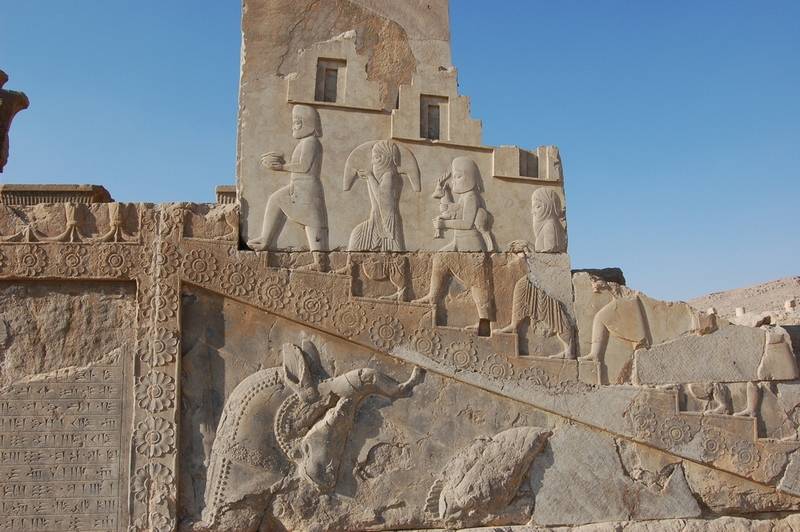
Alexander the Great faced King Darius III of Persia at Gaugamela, and the outcome changed the course of history. Despite being vastly outnumbered, Alexander used clever tactics to flank and outmaneuver the Persian army, ensuring his victory. His use of the oblique line—a tactical maneuver where one wing of his army would engage first, drawing the enemy into a vulnerable position—was a masterstroke that helped secure his legacy as one of history’s greatest strategists.
What it Teaches Us: Innovation and flexibility in strategy. Alexander’s victory at Gaugamela teaches that great leadership is about thinking outside the box and adapting tactics to suit the situation. Sticking rigidly to conventional methods can limit success; it’s the ability to innovate and surprise the enemy that wins battles.
Final Thoughts – What Can We Learn?
The greatest battles in history weren’t won by sheer force alone—they were won through leadership, strategic thinking, and an ability to adapt. Whether it’s Leonidas inspiring his men to stand strong against a much larger army, Napoleon’s failure to see the danger of overconfidence, or Alexander’s tactical brilliance, these battles offer timeless lessons in leadership and decision-making.
As a young man, the key takeaway is that success often depends on more than just raw strength or ambition. It’s about being prepared, remaining adaptable, and knowing when to hold firm and when to take bold risks. The greatest leaders in history weren’t just skilled warriors—they were thinkers, innovators, and people who could inspire others to follow them through the toughest times.
Whether you’re leading a team, starting a business, or just facing a personal challenge, the principles learned from these historic battles can guide you toward victory, no matter how tough the fight may seem.

