

Science is all around us, and it’s far more fun when you’re the one making the discoveries! Whether you’re into physics, chemistry, biology, or just love a good hands-on project, there’s no better way to spend a weekend than by diving into a few quick and easy science experiments. These projects are designed to be simple, educational, and—most importantly—fun. So grab your lab coat (or just your old T-shirt), roll up your sleeves, and let’s get started with five science projects that you can do right at home.
1. The Classic Volcano Eruption – A Fiery Chemical Reaction
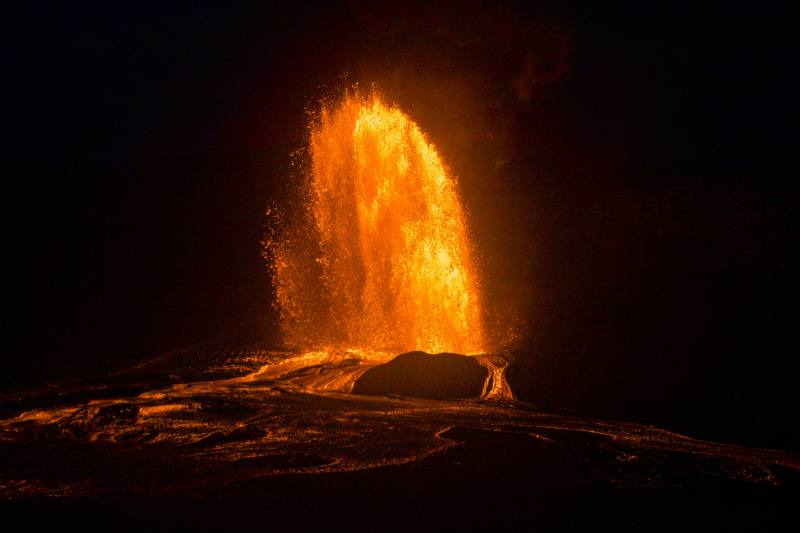
No science project list would be complete without the iconic volcano eruption! This experiment is the perfect blend of chemistry and a bit of drama. You’ll be amazed at how easy it is to create an explosive reaction right in your own kitchen.
What You’ll Need:
- A plastic bottle or small container
- Baking soda
- Vinegar
- Dish soap (optional, for extra foam)
- Food coloring (optional, for lava effect)
- A tray or large pan (to catch the mess)
How to Do It:
- Place your plastic bottle or container in the center of your tray.
- Fill the container about one-quarter full with baking soda.
- Add a few drops of dish soap if you want some extra foamy lava, and a few drops of food coloring for a dramatic effect.
- Pour in vinegar slowly and watch as your volcano erupts with a bubbly, frothy explosion!
The Science Behind It:
When vinegar (acetic acid) combines with baking soda (sodium bicarbonate), it creates carbon dioxide gas, which causes the bubbly eruption. The more vinegar you add, the bigger the eruption!
2. The Dancing Raisin – Explore Buoyancy & Gas Bubbles
This project is a fun way to explore the concept of buoyancy and the effect of gas bubbles. Plus, it’s a cool trick that never gets old—watch raisins dance in a glass of fizzy soda!
What You’ll Need:
- A glass of carbonated soda (preferably clear, like Sprite or club soda)
- A few raisins (or any small, sinkable object)
How to Do It:
- Fill your glass with soda.
- Drop a few raisins into the soda.
- Watch as the raisins sink to the bottom of the glass, then rise up and down repeatedly. It’s like they’re dancing!
The Science Behind It:
The bubbles of carbon dioxide in the soda attach to the rough surface of the raisins. These bubbles lift the raisins to the surface. Once the bubbles pop, the raisins sink again. This cycle repeats as long as there are bubbles in the soda!
3. Invisible Ink – Write Secret Messages with Chemistry

Want to send secret messages? Try using invisible ink! This project uses basic chemistry to write messages that are invisible to the naked eye but can be revealed with heat. It’s like being a spy or a detective!
What You’ll Need:
- Lemon juice (or milk)
- A cotton swab (or paintbrush)
- White paper
- A heat source (like a light bulb, hairdryer, or an iron)
How to Do It:
- Dip the cotton swab into lemon juice or milk.
- Use the swab to write your secret message on the paper.
- Allow the paper to dry completely.
- To reveal the hidden message, hold the paper near a light bulb or use a hairdryer on the lowest setting to heat it up. Watch as the message slowly appears!
The Science Behind It:
Lemon juice (or milk) contains organic compounds that oxidize and turn brown when heated. When you write with it, it becomes invisible, but when you apply heat, the oxidation process reveals the message.
4. The Balloon Rocket – Blast Off with Newton’s Laws of Motion

John-A-Davis/shutterstock
Ready to send something zooming across the room? The balloon rocket experiment uses Newton’s third law of motion—for every action, there is an equal and opposite reaction. Watch as your balloon shoots across a string, powered only by air!
What You’ll Need:
- A balloon
- A long piece of string
- A straw
- Tape
- A chair or two to tie the string between
How to Do It:
- Tie one end of the string to a chair or some other stable object.
- Thread the string through the straw.
- Inflate the balloon but don’t tie it—just pinch the end to keep the air in.
- Tape the balloon to the straw so that it’s pointing in the direction you want it to fly.
- Let go of the balloon and watch it zoom along the string as the air rushes out!
The Science Behind It:
As the air inside the balloon is released, it pushes against the opening, causing the balloon to fly in the opposite direction. This is a demonstration of Newton’s third law, where the air rushing out is the action, and the balloon moving forward is the equal and opposite reaction.
5. The Homemade Lava Lamp – Creating Colorful Convection Currents
This simple but mesmerizing project creates your very own lava lamp at home, showing you how liquids of different densities can create convection currents.
What You’ll Need:
- A clear bottle or jar
- Vegetable oil
- Water
- Food coloring
- Alka-Seltzer tablets (or baking soda and vinegar if you prefer)
How to Do It:
- Fill your bottle about three-quarters full with vegetable oil.
- Add water to the bottle until it’s nearly full. You’ll notice that the water sinks to the bottom, and the oil floats on top—this is because water is denser than oil.
- Add a few drops of food coloring to the water layer.
- Drop in an Alka-Seltzer tablet and watch as colorful bubbles rise and fall in a lava-lamp effect!
The Science Behind It:
The oil and water don’t mix because of their different densities. When you add the Alka-Seltzer, it produces bubbles of carbon dioxide gas that rise through the water layer, carrying the colored water with them. As the bubbles reach the top and pop, the colored water falls back down, creating a beautiful lava lamp effect!
Final Thoughts – Science is Everywhere
There you have it—five easy science projects that you can try out this weekend! Each one is a fun, hands-on way to learn about the amazing world of science, and with just a few basic materials, you can create experiments that explode, dance, vanish, fly, and bubble. Whether you’re just getting started with science or you’re a seasoned experimenter, these projects will spark your curiosity and keep you entertained for hours.
So next weekend, gather your materials, grab a few friends (or go solo), and let your inner scientist loose. Who knows? Maybe your next big discovery is just one experiment away!

