
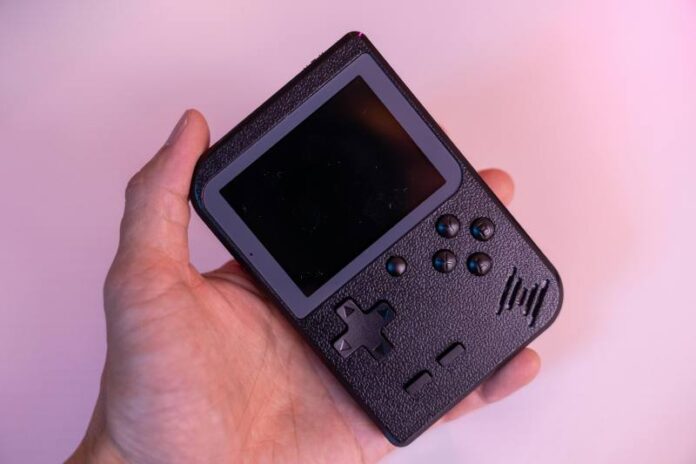

There’s something thrilling about starting a collection. The sense of discovery, the hunt for rare pieces, the satisfaction of curating a personal treasure trove—it’s an adventure all on its own. Whether you’re drawn to the timeless appeal of coins, the history embedded in stamps, or the nostalgia of vintage gadgets, building a collection can be both a rewarding hobby and an exciting challenge.
But how do you begin? What’s the best way to get started, and how can you turn your passion into a collection that stands the test of time? In this article, we’ll guide you through the steps to starting a collection of coins, stamps, or vintage gadgets, offering tips and advice on how to choose, care for, and display your finds.
1. Coins: The Timeless Art of Numismatics
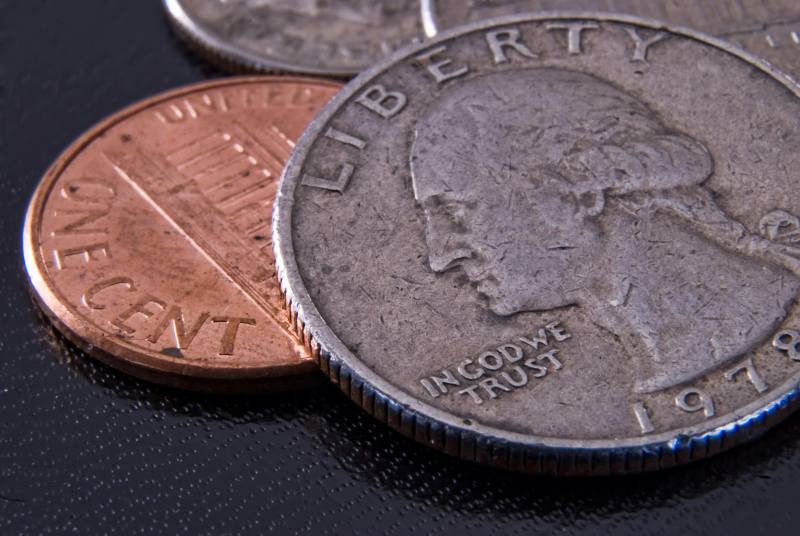
Coin collecting, also known as numismatics, has fascinated collectors for centuries. The allure lies in the rich history each coin represents, whether it’s an ancient Roman coin, a rare gold piece, or a limited-edition modern coin. Coins often carry the stories of empires, civilizations, and major historical events—making them more than just currency.
Getting Started:
To begin your collection, the first thing to decide is the type of coins you want to collect. Are you interested in collecting coins from a specific time period, like ancient Roman coins or 19th-century American coins? Or perhaps you’d like to focus on coins from particular countries or certain materials like silver, gold, or copper. The key is to pick an area that fascinates you.
Where to Find Coins:
- Local coin shops are great places to start, where you can get advice from experienced collectors.
- Online auctions and websites like eBay have vast collections of coins, but be cautious of forgeries.
- Coin shows are often held annually in cities and are excellent places to meet other collectors and discover rare pieces.
- Family collections: Sometimes, old coins get tucked away in drawers, forgotten. You might already have treasures in your own family!
Building Your Collection:
Start with a few key pieces, then gradually build up as your knowledge and confidence grow. Learn to understand the grading system of coins, which evaluates their quality and rarity, from poor to mint state. A coin’s value is heavily influenced by its condition, so always keep your coins in pristine condition by storing them in protective cases.
2. Stamps: Exploring the World One Stamp at a Time
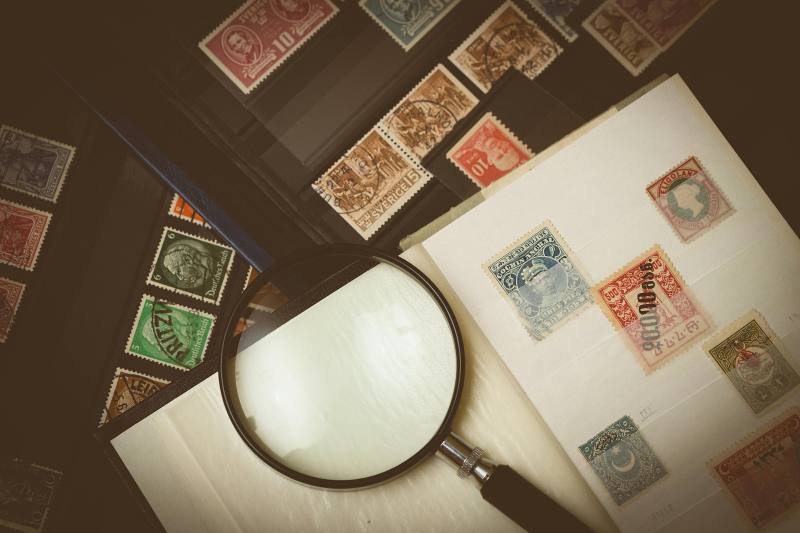
Stamp collecting, or philately, is a hobby that opens up a world of culture, art, and history. Each stamp tells a story about the place it comes from, the event it commemorates, or the artwork it showcases. Whether you’re collecting stamps from a specific country, historical period, or theme (such as animals, trains, or presidents), each stamp is a small piece of history waiting to be discovered.
Getting Started:
- Choose your focus: Do you want to collect stamps from a particular country, a certain time period, or stamps commemorating certain events? The key is to pick a theme or focus that excites you.
- Start small: Begin by collecting stamps that are easy to obtain. You don’t need to buy rare or expensive stamps right away. Many people start with stamps from their own country or by purchasing inexpensive collections.
Where to Find Stamps:
- Stamp dealers can provide you with a wide selection of rare stamps, but be sure to find reputable sellers.
- Post offices still sell special-edition stamps that commemorate holidays, events, and national landmarks.
- Stamp shows and exhibitions are great places to meet other collectors and find unique stamps to add to your collection.
- Online resources like eBay and stamp-collecting forums can offer a wide range of stamps, but always check the authenticity of the seller before making a purchase.
Building Your Collection:
As your collection grows, learn to organize your stamps in a way that makes sense to you. You can use albums with clear plastic sleeves to keep your stamps in top condition. It’s also important to preserve stamps properly by using a light touch when handling them and keeping them in a dry, cool environment.
3. Vintage Gadgets: Bringing the Past to Life
For those with a love of technology and nostalgia, collecting vintage gadgets is a fascinating hobby. From the earliest radios to retro Game Boy consoles and old-school cameras, these gadgets offer a window into the past, showing how far technology has come. Plus, many of these items are still in working condition, making it all the more satisfying to see a vintage device come to life.
Getting Started:
Decide on the types of gadgets that interest you. Are you fascinated by classic radios, old film cameras, or perhaps early video game consoles? The key is to find a specific area of interest so that you can focus your efforts and build a cohesive collection.
Where to Find Vintage Gadgets:
- Flea markets, garage sales, and antique shops are goldmines for vintage gadgets. With a little luck and sharp eyes, you might find treasures for a fraction of what they’re worth online.
- Online marketplaces like eBay or Etsy offer a vast array of vintage gadgets, but again, always check the seller’s reputation and item condition.
- Specialized collectors’ forums are great places to learn more about specific gadgets and connect with other enthusiasts who may be willing to trade or sell items from their own collections.
Building Your Collection:
Unlike coins or stamps, many vintage gadgets are more about functionality than condition. Start with a few pieces, and over time, focus on acquiring rare, fully functional items. For example, an old camera can still take pictures if properly maintained, and a vintage radio might still pick up your favorite station, making these items even more special to own.
General Tips for All Collections:
- Educate Yourself:
Learn as much as you can about your chosen area of collecting. Read books, visit websites, and talk to other collectors. The more knowledge you gain, the better you’ll be at identifying valuable pieces and spotting forgeries. - Condition is Key:
For most collections, condition is everything. Whether it’s a coin, stamp, or gadget, the better condition your items are in, the more valuable they become. Handle your items with care, and consider using display cases or special storage options to protect them. - Be Patient:
Building a collection takes time. Don’t rush to acquire everything at once. Sometimes the thrill is in the hunt, and finding that rare item after months of searching is the reward. Always take the time to learn and appreciate the pieces you find along the way. - Document Your Collection:
Create a catalog of your collection, either digitally or in a physical journal. This helps keep track of what you own, its value, and any interesting history behind the items. It also helps with insurance if your collection is ever lost or damaged. - Network with Other Collectors:
Join forums, attend shows, and connect with fellow collectors. You’ll learn valuable tips, find new pieces to add to your collection, and maybe even swap items with like-minded enthusiasts.
Final Thoughts – A Hobby for Life
Starting a collection isn’t just about accumulating objects—it’s about discovering new worlds, learning about history, and finding joy in the hunt. Whether you’re drawn to the world of coins, stamps, or vintage gadgets, each collection you build will tell a unique story, and every item will serve as a testament to your passion and perseverance.
So, pick up your magnifying glass, grab a few guides, and begin your collecting adventure today. In the world of collectors, there’s always more to learn, and the next great treasure could be just around the corner.

