
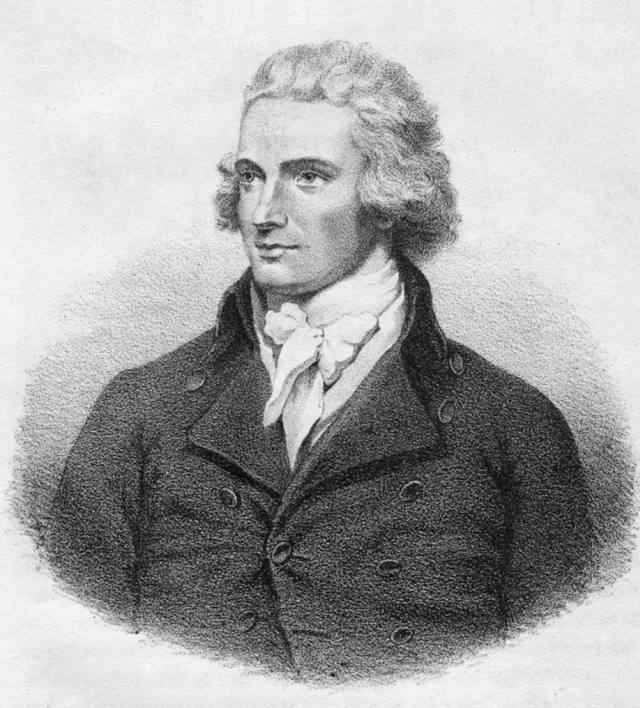

In the days when the map of the world was still filled with vast, uncharted territories, there were men who dared to venture into those dark, mysterious corners. Mungo Park was one such man—a true adventurer, armed with nothing more than his courage, a sharp mind, and a thirst for discovery. His name became legendary, for he was one of the first to unravel the secrets of Africa’s great rivers—and paid the ultimate price for it.
The Call to Adventure
Born in 1771 in a small village in Scotland, Mungo Park wasn’t born with a silver spoon in his mouth. But he had something more valuable: a burning curiosity about the world. By the time he was a young man, he had already studied medicine, but it was the call of far-off lands that captured his imagination. He read the stories of explorers who had ventured into the unknown heart of Africa, a continent that was still a great enigma to the West. The great river systems of Africa, like the mysterious Niger and Congo, were spoken of in whispers and riddles.
There was one question that troubled the best geographers of the day: Could the mighty Niger River be the same as the Congo? If so, what lay beyond its waters? Theories ran wild, but no one could say for sure. To solve the riddle, someone would need to venture into the wild heart of Africa and discover the truth for themselves.
Mungo Park was the man to do it.
The First Expedition: Into the Wild Unknown
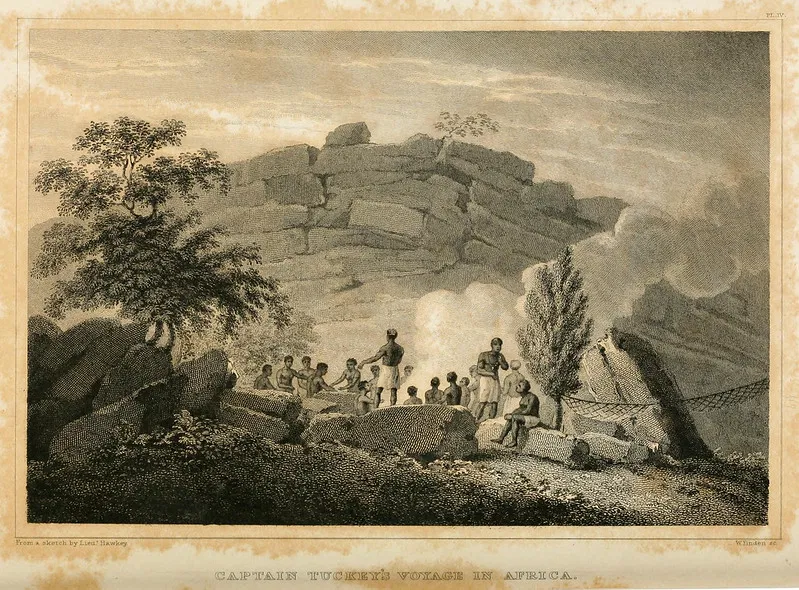
In 1795, with nothing but a small group of men and an unbreakable will, Park set sail for the West African coast. His mission was clear: find the Niger River and determine its true course. But from the moment he set foot on African soil, danger awaited. He would have to survive heat that could bake the flesh from your bones, jungles thick with deadly creatures, and tribes that might greet him with kindness—or a spear.
His journey through Gambia was harrowing. The riverbanks were alive with dangers. Wild animals lurked in the underbrush, venomous snakes slithered through the grass, and disease was always just a step behind. Yet Park pressed on, determined to uncover the secrets of the river.
Finally, after weeks of grueling travel, he came upon the Niger River—a massive, fast-flowing body of water that defied all his expectations. But even as he marveled at the river’s power, Park knew his work had only just begun. The questions about the river’s source and its fate remained unanswered.
With great determination, Park traveled further inland, facing greater perils with each passing day. He crossed barren deserts where the sun beat down like a furnace, braved swamps where the air seemed to choke you, and paddled his canoe through stretches of the river where rapids threatened to tear him apart. But through it all, Park pushed forward, driven by his belief that this journey would change the world.
The Truth About the Niger
By the time Park reached the city of Timbuktu, the legendary trading hub, his health was failing. But his discovery was groundbreaking. The Niger River flowed eastward, far from the Congo, splitting from what many had once thought was the same waterway. The river was independent—a great force of nature all its own.
Park’s daring exploration cleared up the mystery, proving that the Niger was not linked to the Congo as many had once believed. His journey was an extraordinary triumph of human perseverance, and his detailed notes and sketches would become some of the most valuable records of African geography. But the journey had taken a toll on Park. He was worn out—tired, sick, and emotionally spent—but he returned to England as a hero, celebrated for his achievements.
Yet, adventure had not yet finished with him.
The Second Expedition: The Call of the Unknown
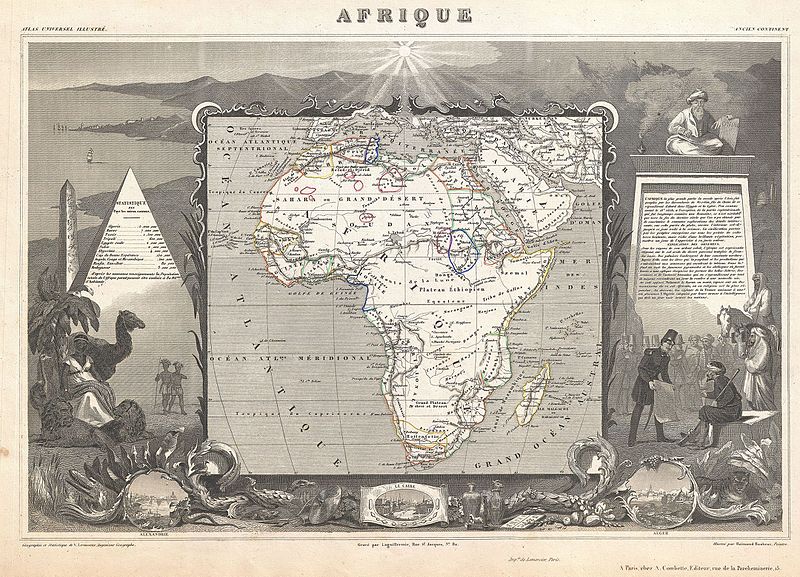
In 1805, just a few years after his return, Mungo Park could not shake the call of the wild. He was determined to return to Africa to trace the entire course of the Niger River. But this time, his second journey would be even more perilous, a true test of his limits.
Park set out with a larger group, but it soon became clear that danger was closing in on them from every side. This was no longer just a journey of discovery—it was a fight for survival. The jungle seemed to close in around them, the terrain became even more hostile, and the river grew treacherous with rapids that could sink a boat in seconds.
But Mungo Park was undeterred. He pressed on into the interior, hoping to reach the end of the mighty Niger River and to complete the map he had begun. Yet, as the days dragged on, it became clear that this journey might be Park’s final one.
The Final Expedition: A Hero’s End
In the spring of 1806, Park and his remaining men reached the infamous Bussa Rapids, one of the most dangerous sections of the Niger River. Exhausted and plagued by fever, Park’s journey was nearly at an end. Yet, he pressed forward, determined to conquer the river’s mysteries.
It was here, near the rapids, that disaster struck. Mungo Park and his crew were ambushed by a hostile tribe, and Park was killed in a brutal attack. His body was never recovered, but his death, shrouded in mystery, only added to the legend of the brave explorer.
Mungo Park’s name would live on, carved into the annals of history as one of the greatest explorers who ever lived. He had faced down nature’s fury, trekked through jungles and deserts, and lived to tell the tale—until the very end. Though his second expedition cost him his life, his discoveries opened up Africa to the world, and his journey inspired generations of explorers who followed in his footsteps.
Today, Mungo Park is remembered not just as a man of science, but as a hero of adventure. His fearless exploration of Africa’s great river system, his courage in the face of danger, and his determination to uncover the mysteries of the continent are qualities that continue to inspire adventurers and dreamers alike.

